The sixth iteration of our Wonderkid Factory series sees our exciting youth development challenge land at the club that developed the great Diego Maradona. Our challenge will be to usurp Argentina’s elite with Argentinos Juniors, using the Wonderkid Factory method of only signing players aged 19 or under and from the club’s own youth academy.
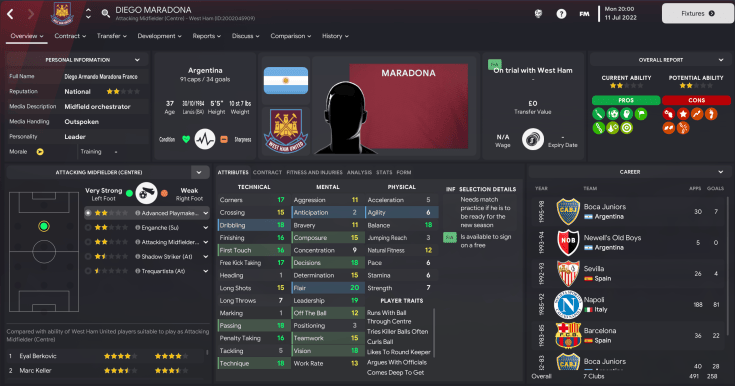
On 20 October 1976, a mercurial talent by the name of Diego Armando Maradona became the youngest player in the history of Argentina’s Primera División as he made his professional debut for Argentinos Juniors ten days before his 16th birthday. Wearing the number 16, Maradona immediately showcased his skills by nutmegging Juan Domingo Cabrera. A few weeks later, the little magician scored his first two goals against San Lorenzo, before scoring 19 goals in 49 games in his first full season. The goals continued to flow as Maradona bagged 26 in 35 in the 1978 campaign, 26 in 26 in 1979 and a remarkable 43 goals in 45 games as he top-scored in 1985. In five seasons at his first club, Maradona scored 116 goals in 166 games. That earned him a move to fellow Buenos Aires side Boca Juniors, before moves to Barcelona and Napoli, while leading Argentina to World Cup glory.
Growing up, Robinho Lazaró had marvelled at El Pibe de Oro‘s mercurial talents, despite growing up in Brazil. As a young football coach, Lazaró committed himself to developing South America’s future generations. He spent his 20s and 30s travelling across the continent coaching in its best football academies. But, after several years spent obtaining coaching badges to a B Licence standard, Lazaró felt it was high time he made the step up to management.
A chance meeting with another Boca Juniors legend Juan Román Riquelme, attending a seminar led by the legendary Marcelo Bielsa, massively enhanced Lazaró’s managerial prospects. Riquelme, who’d stepped up to President at Boca, had strong links with fellow leaders at clubs across Argentina, and put in a word for the Brazilian with Cristian Malaspina, the Chairman at the former Argentina international’s first club, Argentinos Juniors. Fast forward a few months, Lazaró had presented Malaspina with a series of plans for developing young stars that fully matched Argentinos’ vision. And, in December 2026, Lazaró was presented as the new, completely unheard of manager of Argentinos Juniors.
Lazaró’s mission was to lead Argentinos Juniors to domestic and continental glory graduates from its famed youth academy and players aged 19 or under from across South America. His secondary aim was to unearth the next Diego Maradona, for which he’d track key attributes based on the little genius’ profile using a retro database – namely balance composure, decisions, dribbling, first touch, flair, technique and vision.
Who Are Argentinos Juniors?
Asociación Atlética Argentinos Juniors is a professional club based in the La Paternal neighbourhood in the centre of Buenos Aires. The club has earned the grandiose nickname El Semillero del Mundo (The World’s Seedbed) in recognition of its exceptional youth development, which has produced talents like the great Diego Maradona, Riquelme himself, Fernando Redondo. Esteban Cambiasso and Alexis Mac Allister. Indeed, the club plays at Estadio Diego Armando Maradona in honour of its greatest export.
The club was founded in the Villa Crespo neighbourhood in August 1904, started by a group of anarchists who were part of the Mártires de Chicago club. It adopted red and white kits in honour of Alfredo Palacios, the first congressman to be elected from Argentina’s Socialist Party. Things didn’t start well, losing its first match 12-1 to Club La Prenas, but somehow going on to win the minor league Liga Central de Football. It gained affiliation with the Argentine Football Association in 1909, joined a breakaway league three years later, and moved to its current location in La Paternal in 1925.
Argentinos Juniors finished the 1926 season as runners-up to Boca Juniors. However, it had to wait nearly 60 years to claim its first title, which came in the 1984 Metropolitano championship. Two more titles followed with the 1985 Nacional title and the 2010 Clausura, while the club became one of eight Argentinian clubs to have lifted Copa Libertadores back in 1985. The 30,000-capacity stadium is supported by good training and youth facilities, good academy coaching and, surprisingly, only above average youth recruitment. The club’s biggest rivals are Pltense and All Boys, along with Atlanta, Vélez and San Lorenzo, but unlike the Buenos Aires big seven, it doesn’t play any derbies.
Meeting the Argentinos Juniors Squad of 2026
Meeting the Argentinos Juniors squad was nothing short of a military effort. Lazaró first met with captain Federico Mancuello, who scored a goal in his 2 caps for Argentina, before heading into the club’s giant indoor training pitch. There to meet him were no fewer than 134 footballers of varying ages. Feeling somewhat overwhelmed, Lazaró began digging around other Argentinian club’s squads and discovered they were not alone… Boca has 207 players on its books… River 166, Defensa y Justicia 149, Velez 146, Racing 143, Independiente 136 and San Lorenzo 134. What was this madness?
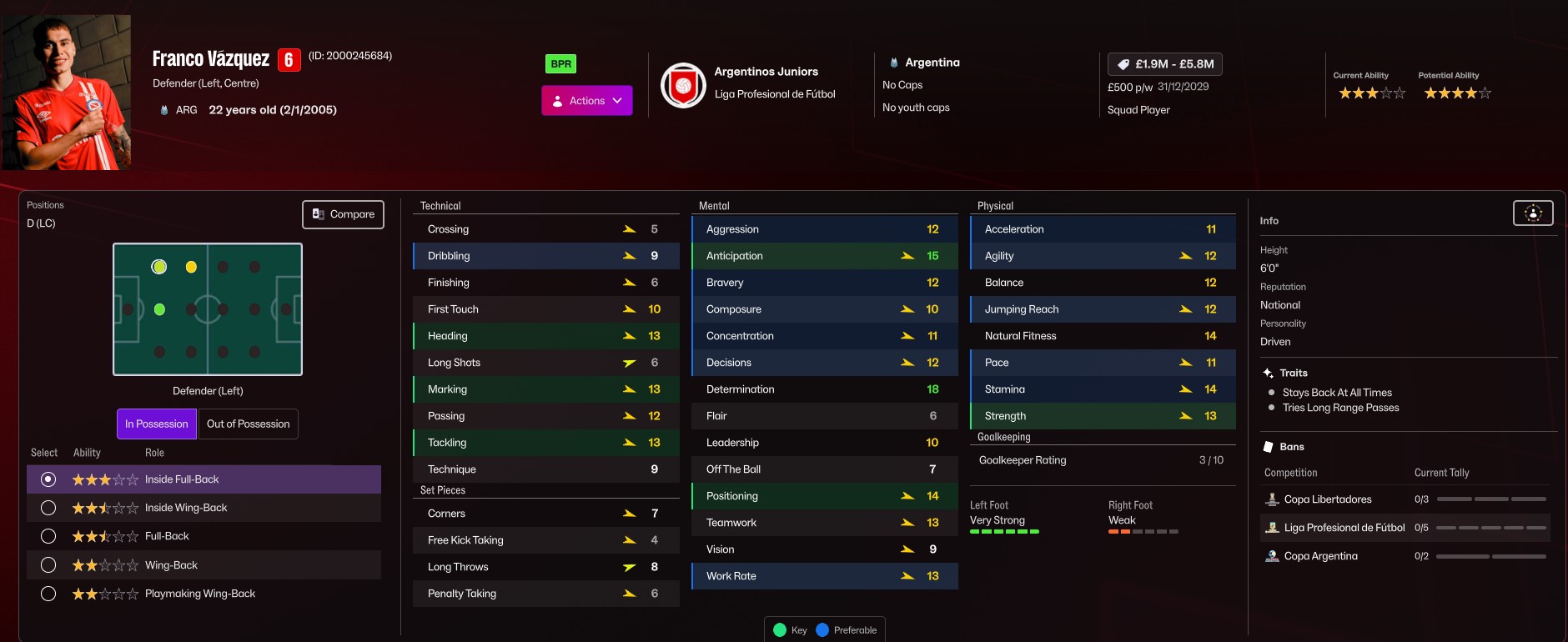
Exactly as Lazaró was hoping, he walked into a club with an army of exciting youth talent. Indeed, there were 17 players aged 21 or younger with at least 4.5-star potential and 20 more with up to 4-star potential. The most exciting of the lot looked like centre back Franco Vázquez, along with striker Diego Barros, diminutive winger Rodrigo Fernández, defenders Santino Gianini, Santiago Silveira and 16-year-old Sebastián Roma, midfielder Facundo Carrizo, who the coaching team think can become as good as Thiago Almada, and 17-year-old striker Alan Alcaraz.
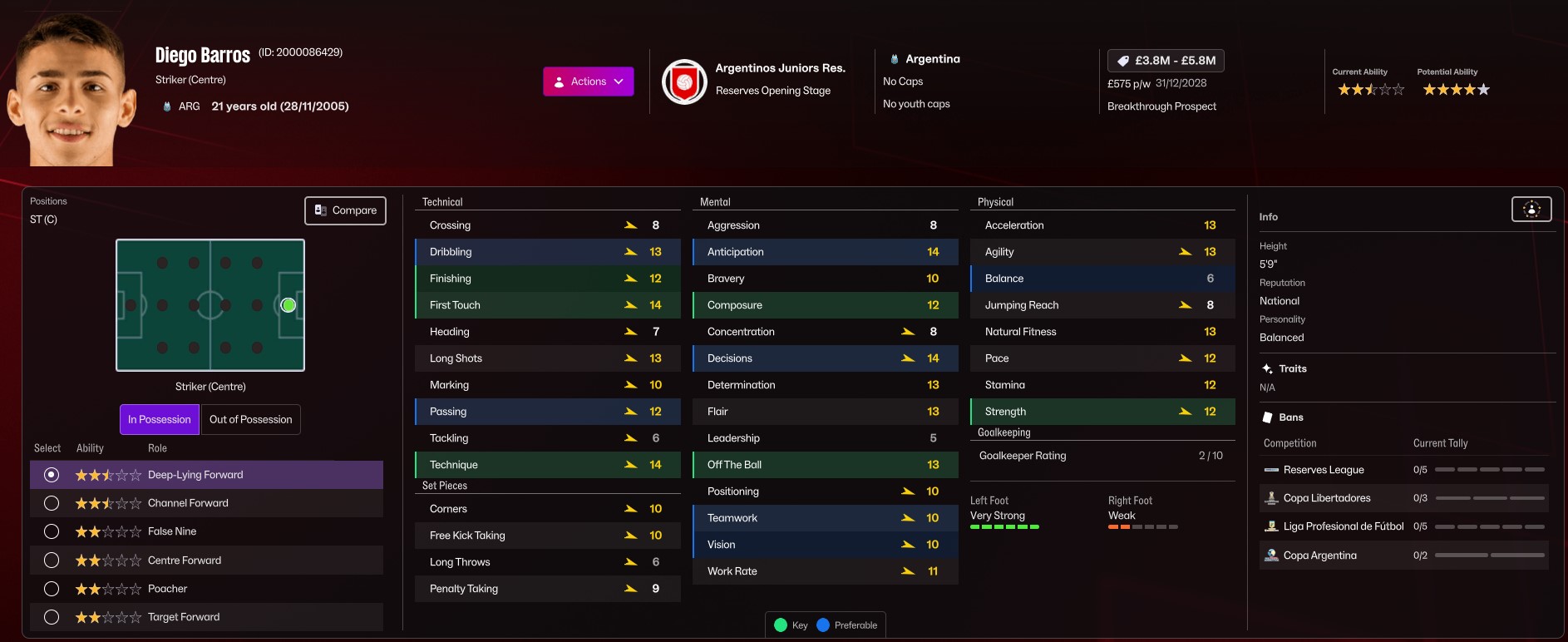
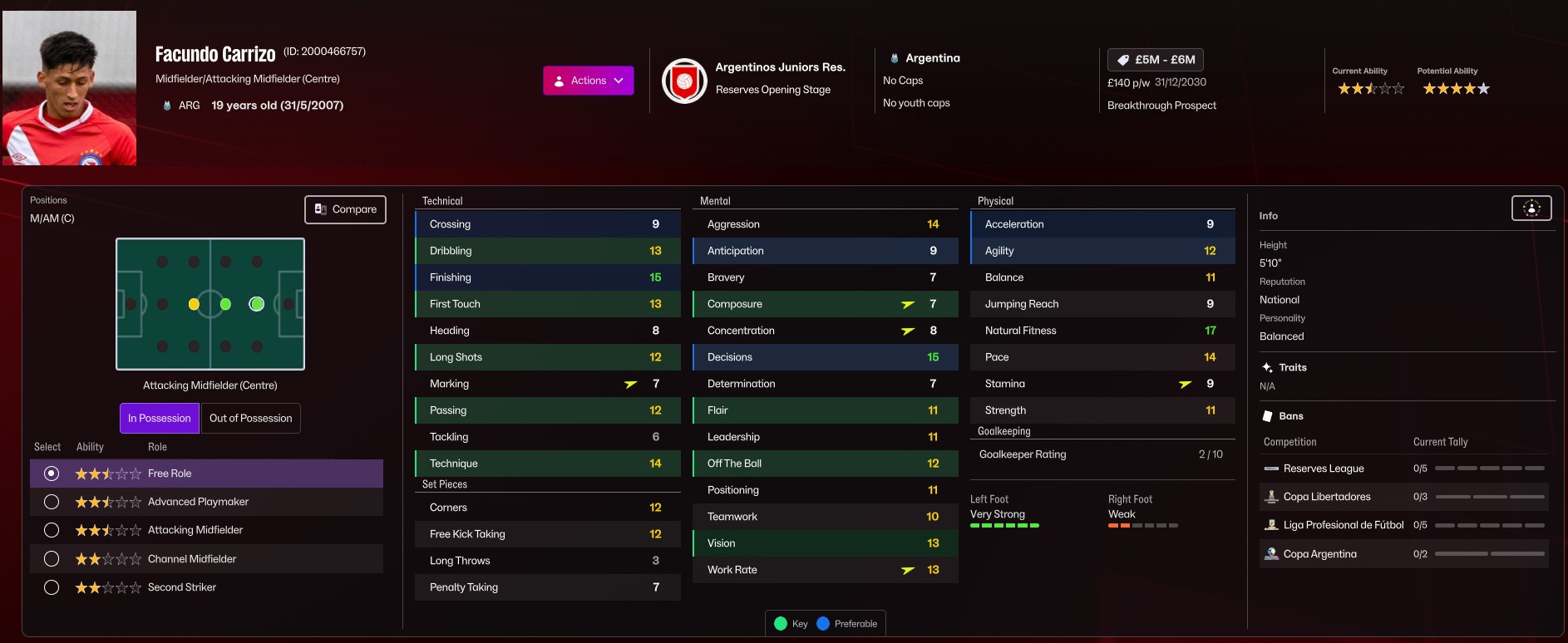
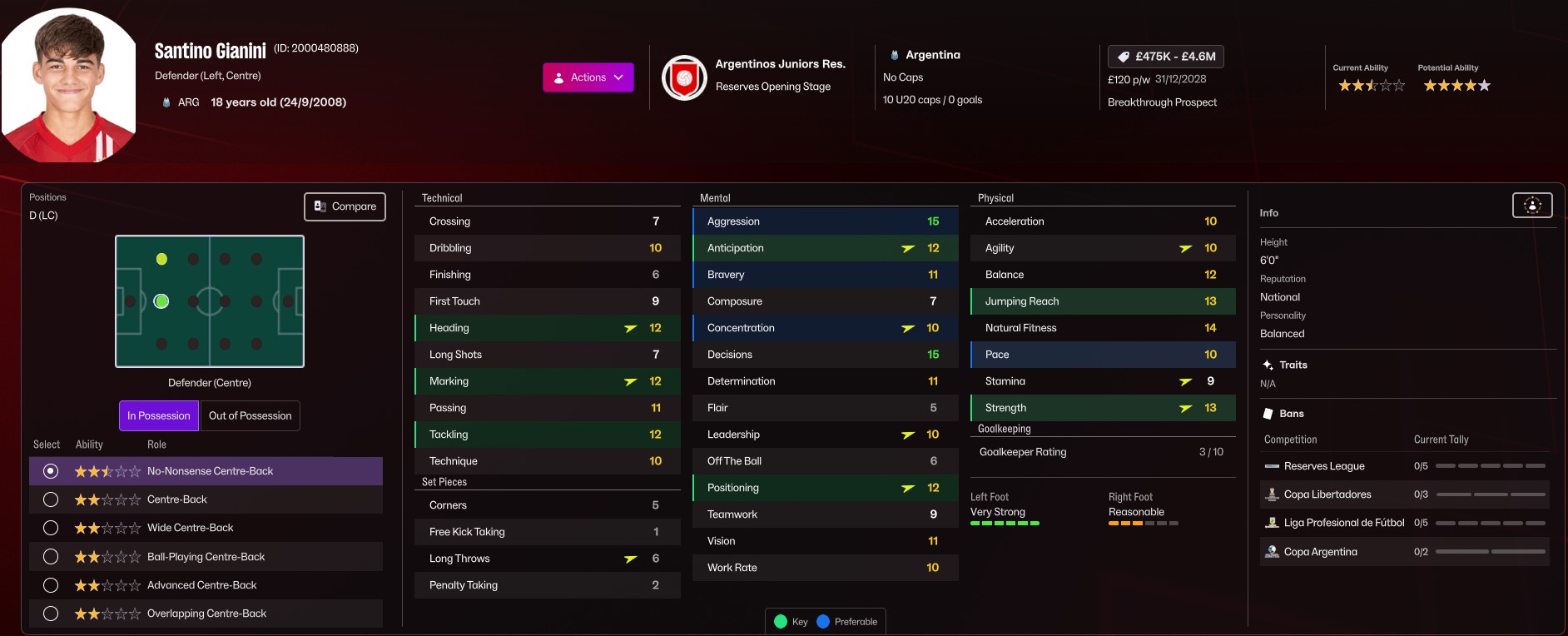
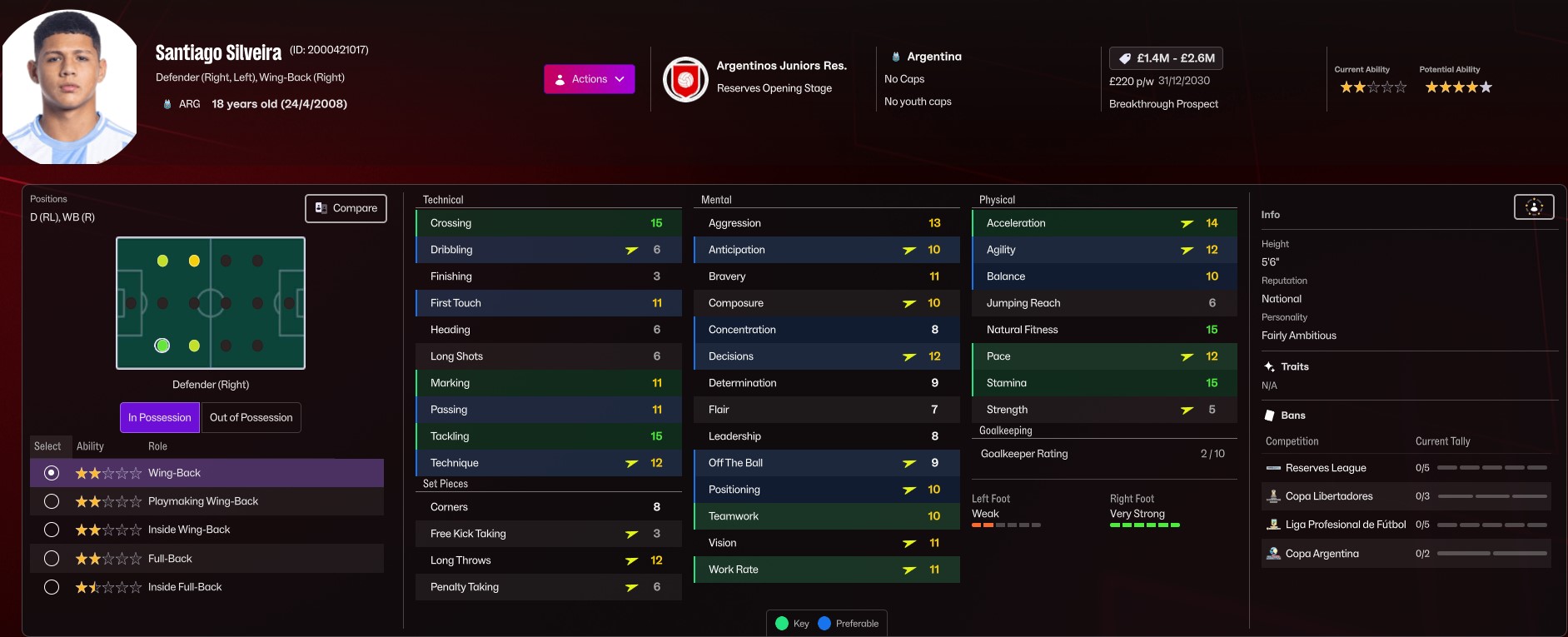
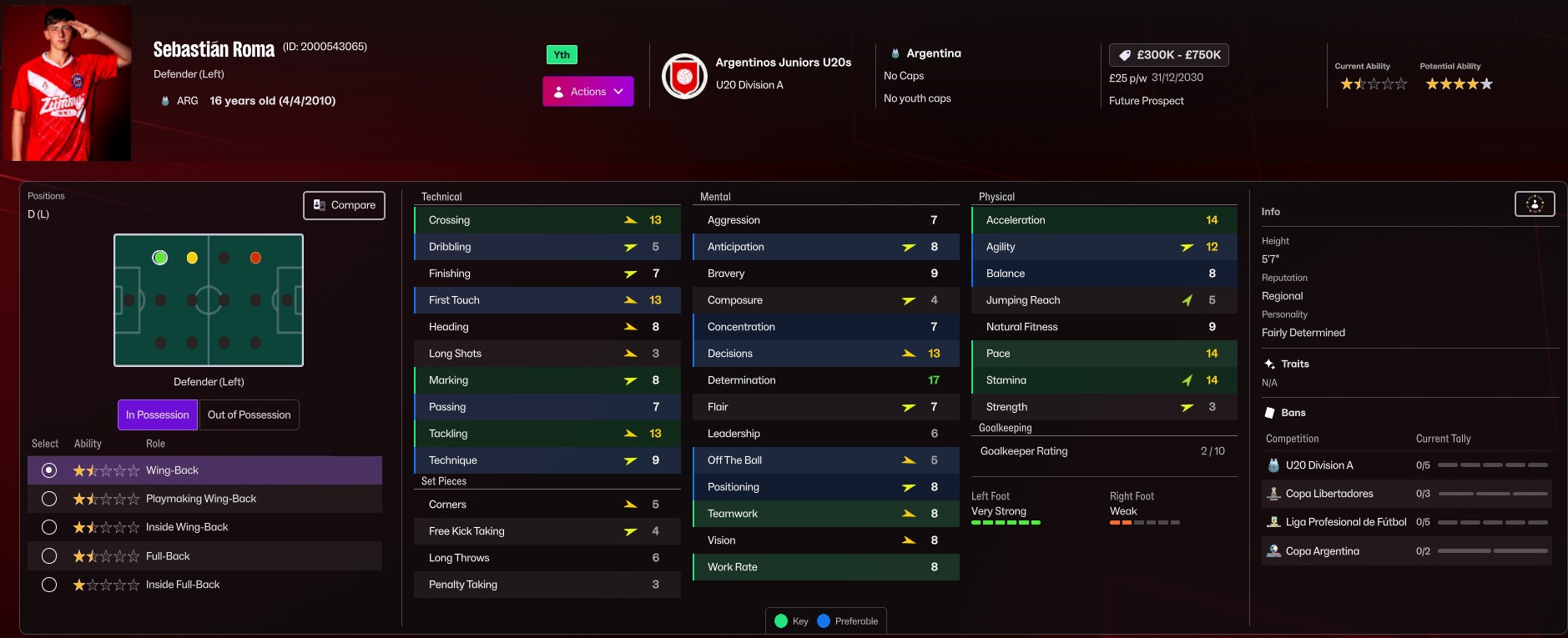
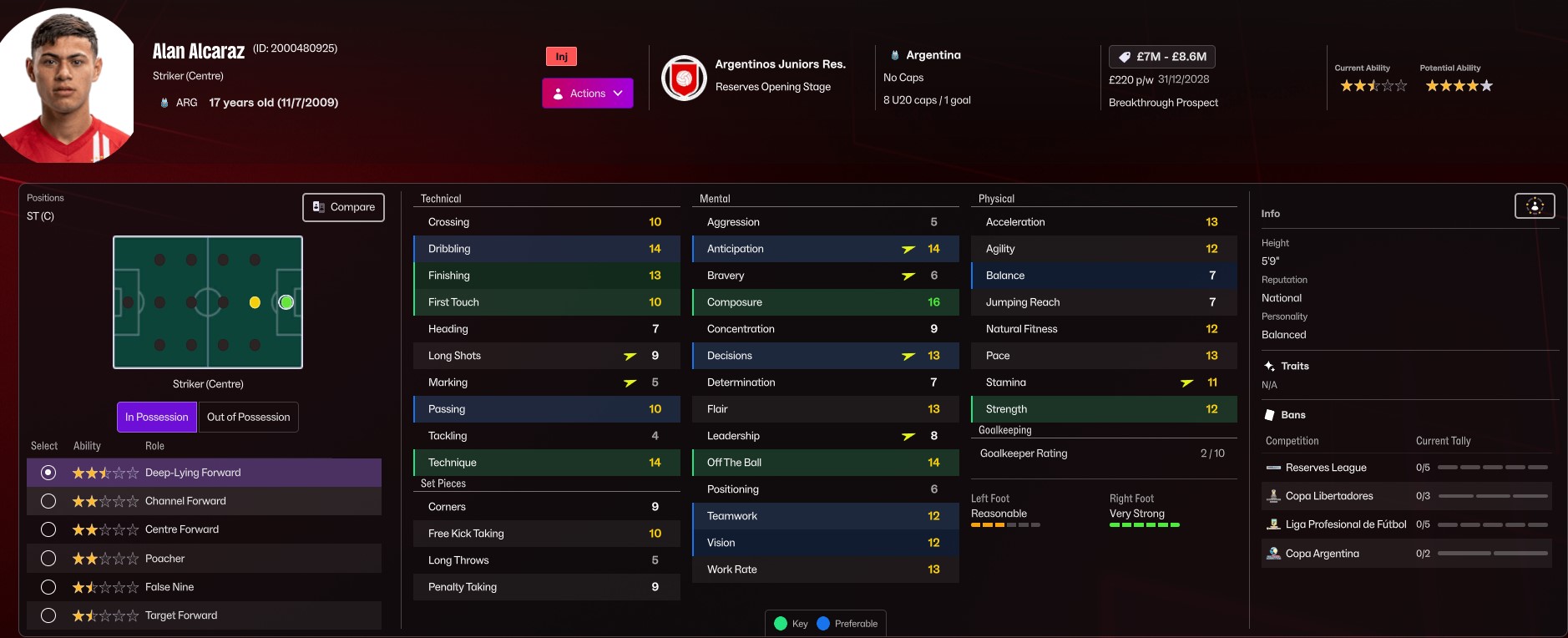
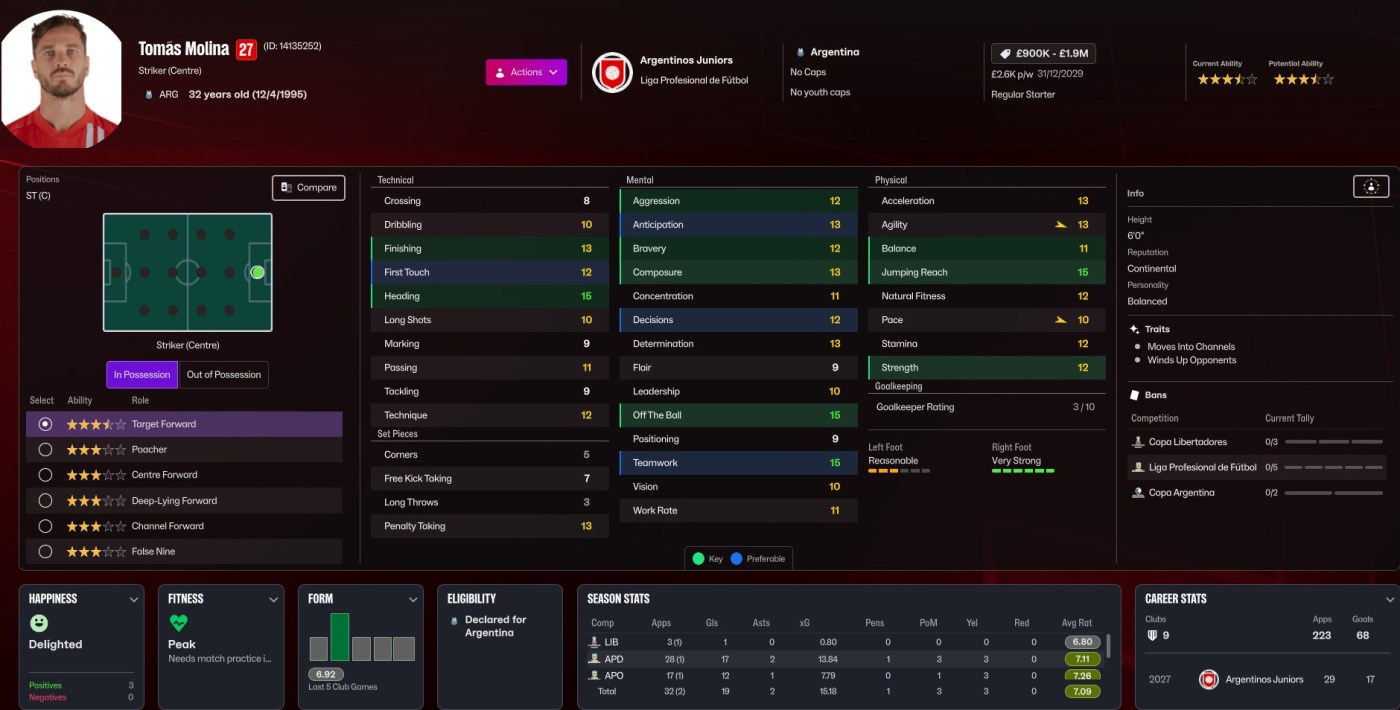
In terms of the here and now, season one doesn’t really matter, even if Argentinos were to miraculously win the league and a continental trophy. The best players were midfielders Nicolás Oroz, who immediately announced his intention to leave the club, and Kevin Gutiérrez, left back Sebastián Prieto, striker Tomás Molina, centre back Francisco Álvarez and attackers Hernán López Munoz, who came through the academy before leaving for River in 2017 and returning this season, and Emiliano Viveros. However, they were all 24 or over, and the squad was littered with plenty of older, not particularly good players.
Lazaró’s first task was to wade through a mass of loanees returning at the end of the 2026 season and offer 26 players out for transfer. Oroz went to Bahia for £1m, a further 10 players departed for an additional £1.7m and 14 more left the club on loan. He also free transferred an incredible 41 players who had minimal potential, were on small wages and didn’t attract any interest. That boosted the bank balance to £7.4m wiith £4.5m available to spend and got them back under the wage bill of £100k by around £20k.
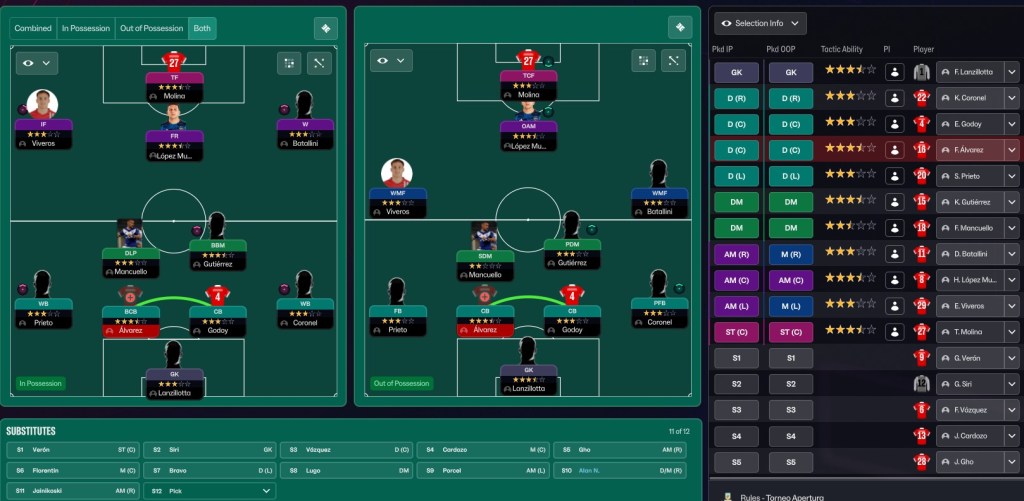
Obviously, there was no need to purchase any players, so Lazaró stuck with what he had while he set about improving his coaching and scouting teams. He intially went with a 4-2-3-1 that best suited the players available, with Molina leading the line as a target forward supported by Viveros, Lopez Munoz and Damián Battalini. While Mancuello, now 37, will be the deep-lying playmaker with Gutiérrez providing the energy alongside him.
Straight Into Fixture Overload in Argentina
Argentina’s Liga Profesional de Fútbol has been through various guises and formats in recent years, but switched to the classic South American split-season format in 2025. Torneo Apertura starts in mid-January and Torneo Clausura reverses the fixtures from late July. The 30 teams are split into two groups and play 16 games – playing each of the other 14 teams once followed by two “inter-zonal” matches against a rival and another team determined by a draw (who knows why). The top eight teams from each zone go into single-leg playoffs that end in a final at a neutral venue to decide the title winner. In addition to that, the league apparently operates an aggregate points table that “sometimes” hands out a title to the team with the most overall points. So that’s all very straightforward! Also, it should be noted that neither Boca or River have won the title since 2023.
Argentinos Juniors, who are in Group B along with River Plate, Racing Club and Rosario, were predicted to finish 12th overall, with River favourites ahead of Boca, Racing, Vélez, Estudiantes (LP), Independiente and Lanús. However, they were 3rd in the aggregate table in 2025 and qualified for Copa Libertadores, which adds to the fixture carnage in April. There’s plenty of recognisable names plying their trade in the league, including Angel Di María at Rosario; Almada, Nicolas Otamendi, Gonzalo Montiel and Ángel Correa at River; Fernando Muslera at Estudiantes (LP); and Leandro Paredes and Alan Velasco at Boca.
Lazaró’s time in Argentina began with six games in 23 days. They began with a pretty dreadful 0-0 at home to Estudiantes (RC) before a challenging trip to River Plate, which they managed to win 2-1 led by Molina and López Munoz despite having 37% possession. Molina was the match winner again in a 1-0 victory at home to Aldosivi before bagging a hat trick in a 3-0 win at Instituto. The strong start ended with a 2-0 defeat at Rivadavia before a rotated side got torn apart in 3-0 defeat at home to Rosario Central. They bounced back well to win 3-0 at Sarmiento before finally getting a week off. Three successive draws followed, but Batallini rescued them from a fourth with a late winner at home to Belgrano. The strong form continued to finish 3rd in Zone B with 29 points, which was 6th overall, to qualify for the last 16. Defensa were destroyed 5-1 in the quarters led by a Lopez Munoz brace and the midfielder delivered again in the quarters, creating two goals for Molina to inspire a 3-0 win at Rosario. But their run ended with semi-final penalty heartache at San Lorenzo, who lost 3-0 to Racing Club in the Final.
They had a two-month break before Torneo Clausura, ahead of which Lazaró continued to ruthlessly trim the bloated squad. He sold two backup defenders, aged 28 and 30, for a combined £1.5m. 30-year-old backup left back Claudio Bravo oddly attracted a £3.5m bid from Boca, 34-year-old starting left back Prieto went to Huracán for £145k, 30-year-old midfielder Gutiérrez went to Mexico for £2.6m, backup midfielder Matías Lugo joined Colo-Colo for £775k, centre back Álvarez wanted to join a bigger club and went on loan to River. and loans of two right backs were terminated. Several backups were loaned out and eight more players were released. That slashed over £30k off the wage bill and took Lazaró’s players sold, loaned or released count to 87 (eighty seven!) in seven months.
With those sales done, Lazaró began to integrate some of his younger players. Alcaraz was promoted to provide support in attack, Carrizo stepped up to start in midfield, with Mateo Ovalle promoted as his backup, Gianini and Silveira are promoted to become starting full backs, Thiago Yánez and Ramiro Passalacqua provide support at centre back and attackers Baruc Basaez and Juan Ignacio Manino come in for additional support while being available for the reserves.
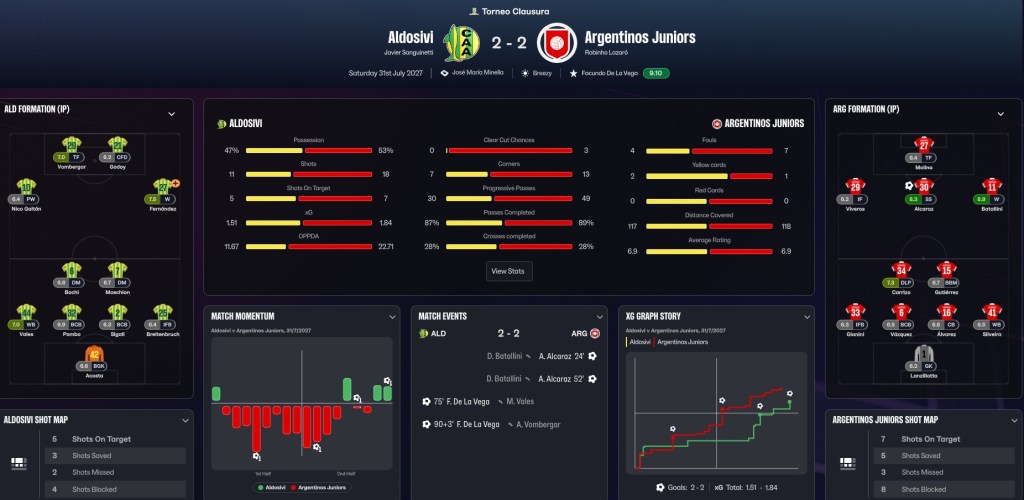
Carrizo and Ovalle lined up together at home to River and impressed as Argentinos earned a creditable 0-0. But Alcaraz got the fans excited as he scored twice on debut, playing as a second striker in behind Molina, in a 2-2 at Aldosivi. The form unsurprisingly dropped off during the second half of the season, but Alvarez scored two more in a defeat at Independiente and Carrizo scored his first senior goal in a 2-0 win at Atlético Tucumán.
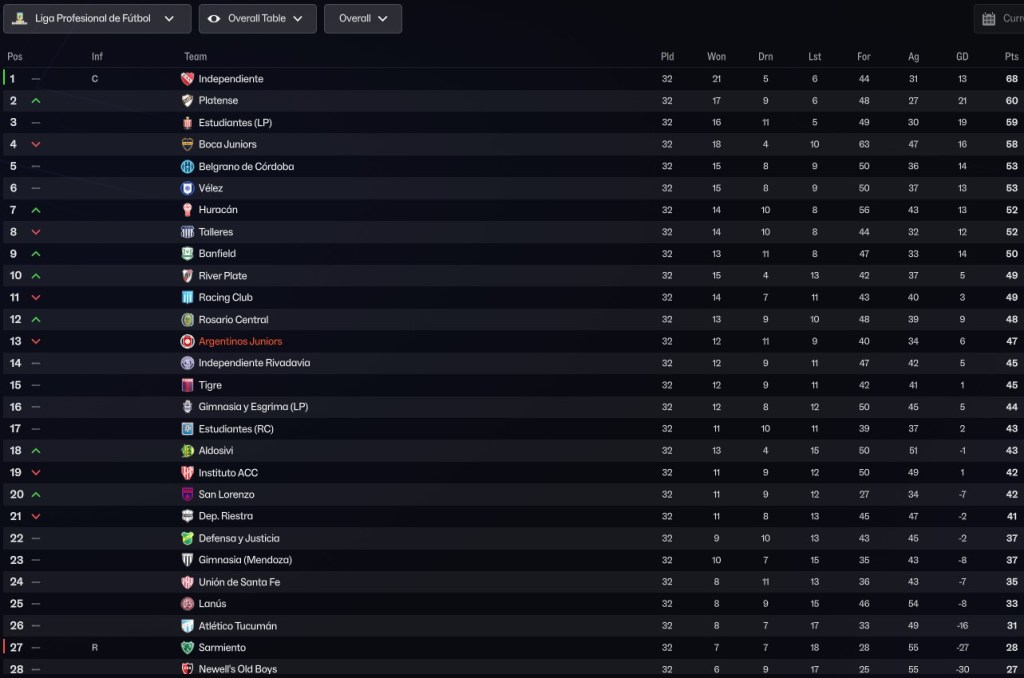
However, Argentinos ended 2027 in poor form, failing to win any of their final six games to slump to 12th place in Group B. That left them 13th in the overall table, which was won by Independiente, who were crowned as the overall league champions. Racing Club went on to record a domestic double, defeating Belgrano 3-2 in the Clausura Final – so still no title for Boca or River. So Racing won Apertura and Clausura, while Independiente were the overall champions with Platense runners-up, which is just a little bit bonkers.

Difficult First Taste of Copa Libertadores
Lazaró wasn’t expecting to be in Copa Libertadores quite so soon, but Argentinos were drawn in a group with surprise Chilean champions Coquimbo Unido and Brazil’s Cruzeiro and Vasco da Gama. They began with a trip to Chile and got absolutely dominated, trailing 2-0 after 25 minutes before even having a shot. Lazaró gave them a telling off at the break and Molina headed one back but they went down 2-1. That was followed by a 1-0 defeat at home to Vasco and rotated sides got dominated at Cruzeiro then earned a creditable 1-1 at Vasco. An own goal rescued them a point at home to Cruzeiro, which condemned Argentinos to finish bottom of the group and a continental exit.
Peru’s Melgar and Paraguay’s Olimpia were the stories of the tournament, beating Brazil’s Fluminense and Colombia’s Independiente Santa Fe to reach the semi finals. Intriguingly, they went on to play each other in the semis and Melgar edged through 1-0 on aggregate. And, even more miraculously, Melgar, whose best player appears to be a loanee left back valued at £2.5m, became Champions of South America by defeating Brazilian giants Palmeiras 2-1.
A Solid Start in Argentina
The Argentinos Juniors board and supporters were both delighted with Lazaró’s first season at the club, as he achieved their desired mid-table finish. Lazaró himself was also pleased as, after seeing monumental overhaul of the playing squad, they performed well in Apertura before blooding a host of youngsters in Clausura.
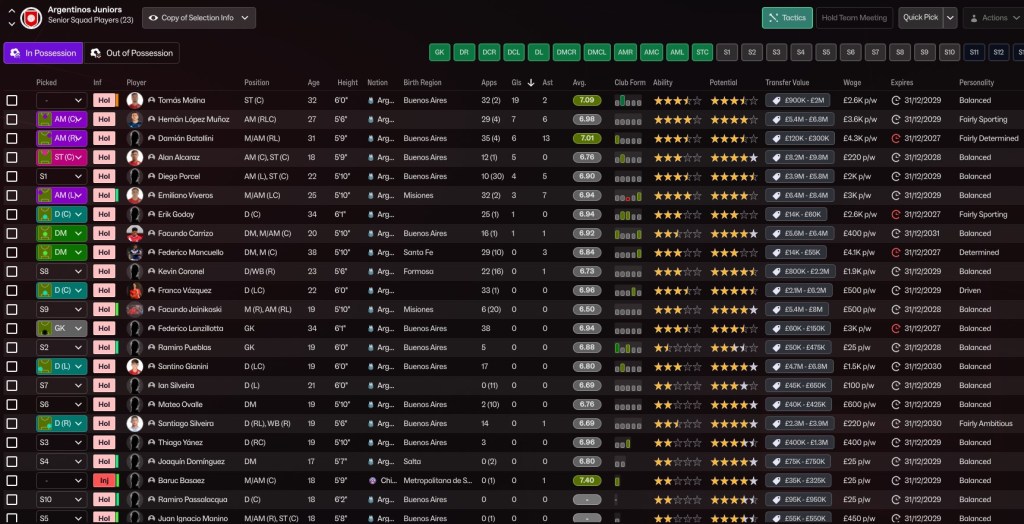
Molina led the way with 19 goals in 34 games, while López Munoz delivered 7 goals and 6 assists and Battalini led the way with 13 assists. But Alcaraz had a solid start to senior football with 5 goals, centre back Vázquez led the defence well and Yánez performed well in a handful of appearances.
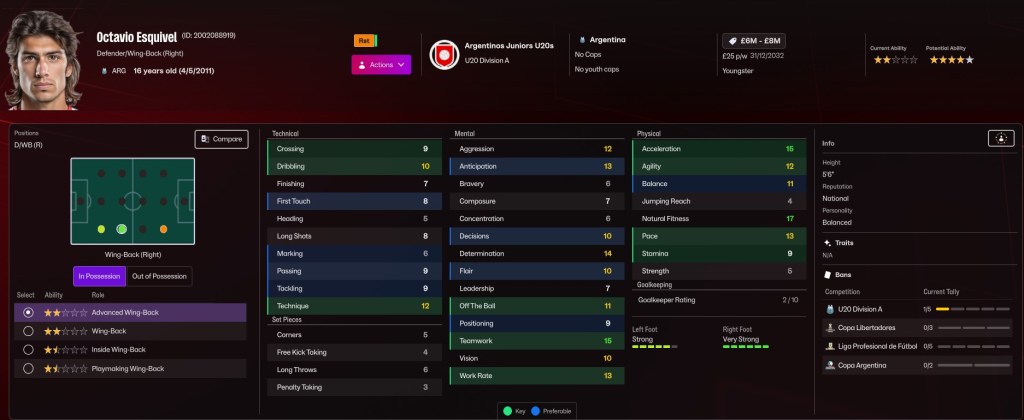
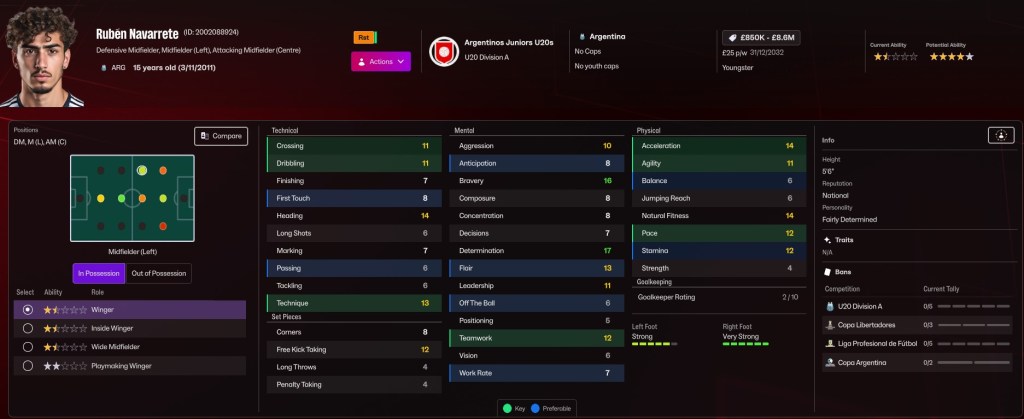
A first youth intake of the save arrived in early May and offered an immediate golden generation. But would it contain the next Diego Maradona? Well, not quite, but it was led by two promising talents in right back Octavio Esquivel and holding midfielder / winger Rubén Navarrete. Lazaró also had requests for improvements to the youth facilities and youth recruitment accepted in August, which should further boost the club’s future intakes.
Lazaró’s next step was to move on even more players who were out of contract at the end of season and continue integrating more youngsters into the first team setup. Could more young Argentinos stars step up in his second season? Join us next week to find out!


Leave a Reply