Light early morning fog hung in the air as tourists poured into cafes around Parma’s Plaza Giuseppe Garibaldi. Well-accustomed to the square’s hustle and bustle, Alessio Rinaldi briefly looked up from Gazzetta Dello Sport to mumble a “grazie” to the waiter delivering his espresso. Located on the site of the ancient Roman forum, the stunning square’s mix of medieval and modern architecture was testament to Rinaldi’s beloved city’s storied history.
Rinaldi flicked through stories of Alberto Gilardino leading Pisa back to Serie A for the first time in 34 years and Triestina becoming the latest Italian side to be handed a brutal points deduction. But his morning football fix was interrupted when a recognisable figure cast a shadow in the rising summer sun that was just beginning to burn through the clouds.
Filippo Galli formed a fearsome rearguard that won five Italian titles at AC Milan alongside Franco Baresi and Paolo Maldini in the 1980s and 90s. Galli coolly lifted his sunglasses and smiled as Rinaldi stood and shook his hand firmly. More coffees and particularly delicious cannolis arrived as Rinaldi folded his newspaper and Galli pulled a stack of documents out of his suave brown leather bag.
“Buone notizie, Alessio, l’affare è fatto,” Galli said excitedly. “I spoke with Mr Krause last night, and he’s signed off on your appointment. We also drafted up a few objectives and agreed on a few items we’d like to build into the club’s long-term future.”
Alessio couldn’t hide his delight at this news, which brought a 27-year journey to an exciting crescendo. Alessio grew up in the heart of Parma to calcio-mad dad Matteo and reluctant mother Maria, who knew she had no option but to support the passion her husband had inevitably passed on to her only son. Living in the shadow of Stadio Ennio Tardini, Maria caved in to allow Matteo to take an 8-year-old Alessio to his first football match on 25 October 1992, when Jean-Pierre Papin and Stefano Eranio earned a 2-0 win for eventual champions AC Milan. From that day on, Alessio was hooked. He urged his father to take him to see his early idols Tomas Brolin and Faustino Asprilla in action as often as possible and, over the years, they saw stars like Lilian Thuram, Hernán Crespo, Fabio Cannavaro and Juan Sebastián Verón don the famous white shirt.
They inspired Alessio to play football too. Aged 10, he joined a local youth side that won a host of tournaments across the Emilia-Romagna region, which saw star playmaker Rinaldi scouted by teams across Italy. He attended trials at AC Milan and Juventus but, when Parma came calling, he wasted no time accepting the invitation to join his hometown club’s academy on his 14th birthday in 1998. Over the next few years, he got the occasional chance to train alongside the likes of Crespo, his boyhood idol Asprilla and the great academy product Gianluigi Buffon. However, with talk of a first-team call-up hotting up, disaster struck during a pre-season friendly in 2002.
Now 18, Rinaldi should have been on the verge of realising his dream of becoming a professional footballer. But a serious knee injury ruled him out for over a year and, when he eventually recovered, he not only found himself well down the pecking order, but he’d lost the edge that allowed good footballers to become great ones. He quickly realised his playing dream was over and focused instead on education, studying sports science before a Masters in Data Science and Economics at Parma University.
Rinaldi took to the business world while getting his football fix through standing on Parma’s Curva Nord every weekend with his father. He earned his first two coaching licences while training a couple of junior teams at his local club. That saw Rinaldi get the coaching bug, racking up more licences and moving through the ranks as his teams won the same tournaments he’d won as a youngster. Now 38, in an odd repeat of history, those successes again saw Parma calling in 2022 as Galli, the club’s newly appointed Head of Methodology, appointed Rinaldi to start working with Parma’s youth teams.
Rinaldi began working with the Under 15s side, and Galli was impressed by his ability to pair analytical insight and youth development with a flexible tactical approach. As Parma went through manager after manager, Galli and Rinaldi grew closer, and the young coach was gradually introduced into the first team in performance and recruitment analysis roles. But his big break finally came at the end of the 2024/25 campaign as club legend Cristian Chivu was poached by Inter Milan, and Galli made the case for Rinaldi to make the step up to club owner Kyle Krause.
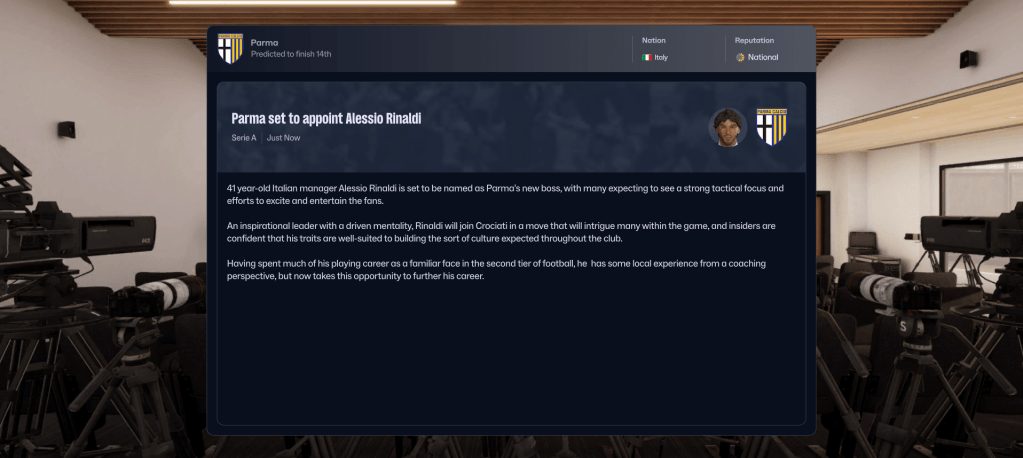
Now, 27 years on from joining the club’s academy, 41-year-old Alessio Rinaldi put pen to paper to become the 96th permanent manager of Parma Calcio. The two men hugged, and Rinaldi couldn’t hold back the tears as he began the best day of his life.
Who Are Parma Calcio 1913?
Parma Calcio 1913 is a professional football club based in the city of Parma, in the region of Emilia-Romagna in northern Italy, around 80 miles south of Milan. The club was founded in July 1913 as Verdi Foot Ball Club in honour of Parma-born opera composer Giuseppe Verdi. Five months later, Parma Foot Ball Club was formed, bringing across many of the original players but swapping the original yellow and blue colours for white shirts emblazoned with a black cross (Crociata).
Parma became a league club in 1919, after the end of World War I, and was a founding member of Serie B in 1928, finishing in 2nd place. It stayed there for three years before being relegated and another rebrand to Associazione Sportiva Parma in 1930, before becoming a founding member of Serie C, where it stayed until gaining promotion back to Serie B in 1943. Following World War II, Parma spent three more years in Serie B before another relegation to Serie C in 1949, and a promotion in 1954 led to an 11-year stay in the second tier. Parma played in European competition for the first time in 1960/61, but dropped to Serie C in 1965 before a new low of Serie D in 1966 ushered in a first period of turmoil.
The club was liquidated and reformed as Parma Football Club in 1968. However, another local side, Associazione Calcio Parmense, gained promotion to Serie D and adopted the liquidated club’s sporting licence and the right to use the Crociata shirts, the club badge and the city name in January 1970. The new-look Parma won Serie D and was briefly promoted to Serie B three years later, then again under Cesare Maldini.
Parma only began to establish itself as a major Italian club with the arrival of Arrigo Sacchi in 1985. Sacchi guided them back to Serie B in 1986 and knocked AC Milan out of Coppa Italia while missing out on Serie A by 3 points – which convinced Milan to poach the manager. Nevio Scala arrived in 1989 and led Parma to its first-ever promotion to Serie A, which prompted major investment by parent company Parmalat. Huge success followed as Scala led the club to its first four major honours, including Coppa Italia in 1992 and the Cup Winners’ Cup in 1993. He left in 1996 and was replaced by Carlo Ancelotti, who overhauled the squad and led Parma to a record high of 2nd in Serie A, as well as winning Coppa Italia and the UEFA Cup in his first season.
However, in typical Parma fashion, disaster wasn’t far away as, in 2004, the club was declared insolvent following Parmalat’s financial meltdown. It was again renamed Parma Football Club SpA in June 2004, but only came out of administration in 2007 and dropped back into Serie B in 2008 after 18 years in the top flight. Things picked up, including three consecutive top-ten Serie A finishes in the mid-2010s, but more financial issues saw the club banned from European competitions and docked points in 2014. And it soon went bankrupt with total liabilities of €218 million in March 2015 – which forced administrators to sell off the club’s trophies at auction.
The club was reformed yet again in July 2015 as S.S.D. Parma Calcio 1913, dropping all the way down to Serie D as a result. Fans’ support was unwavering as their 9,000 season ticket sales more than doubled the previous Serie D record, and they immediately gained back-to-back promotions. The rise continued as Parma became the first club in Italian history to achieve three promotions in three seasons to return to Serie A for the 2018/19 season. Parma survived by 3 points, then finished 11th led by star loanee Dejan Kulusevski, before plummeting to relegation in 2021.
The club was bought out by American businessman Kyle Krause in that relegation season and, after the owner cycled through six managers in two years, Fabio Pecchia guided it to promotion in 2024. Inevitably, Pecchia was given the boot, former player Chivu replaced him and guided Parma to safety in 16th place last season, before being poached by Inter.
Rinaldi’s Tardini Tales Begins
This was very much a football fairytale, with one of Parma’s own being appointed as the club’s main man. If he wasn’t managing Parma, Rinaldi would still be out on the Curva Nord every Sunday. The new Parma manager had a vision of restoring glory to the city, with a focus on youth development and attacking flair. He dreamed of reviving those Scala glory days, repaying the fans’ faith in the dark days of Serie D with the pipedream of lifting Parma’s first-ever Scudetto.
Rinaldi’s football philosophy was simple:
Gioca bene, gioca con coraggio. Ma soprattutto, vinci.
Play beautifully, play bravely. But above all else, win.
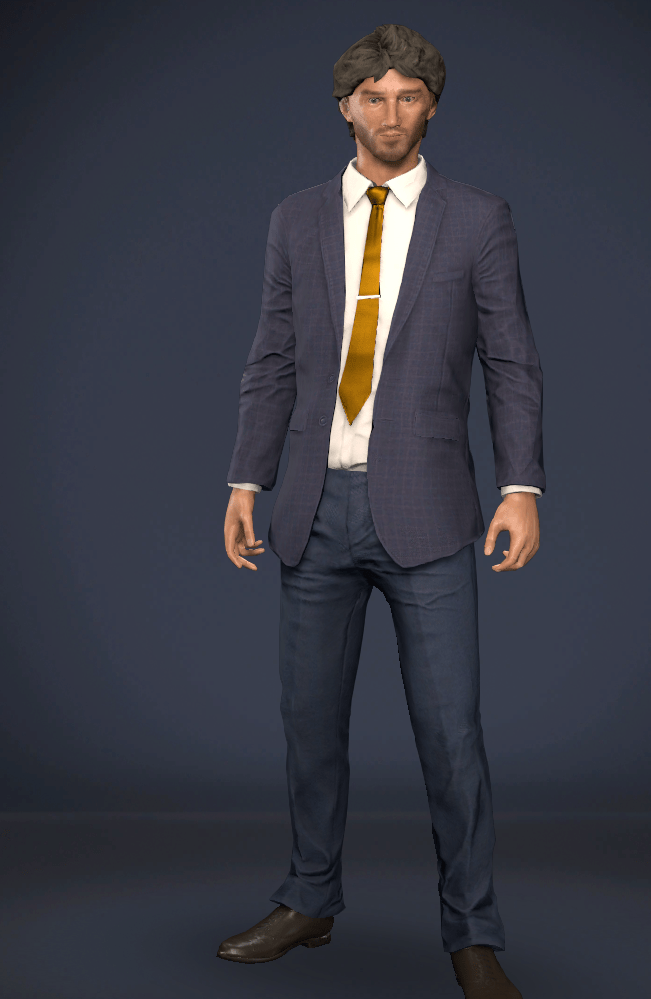
The young manager loved attacking football, but was also a student of Italian tactical discipline. He loved the Milan side that Galli had been a member of and wanted to bring that same steely passion for defending to Parma.
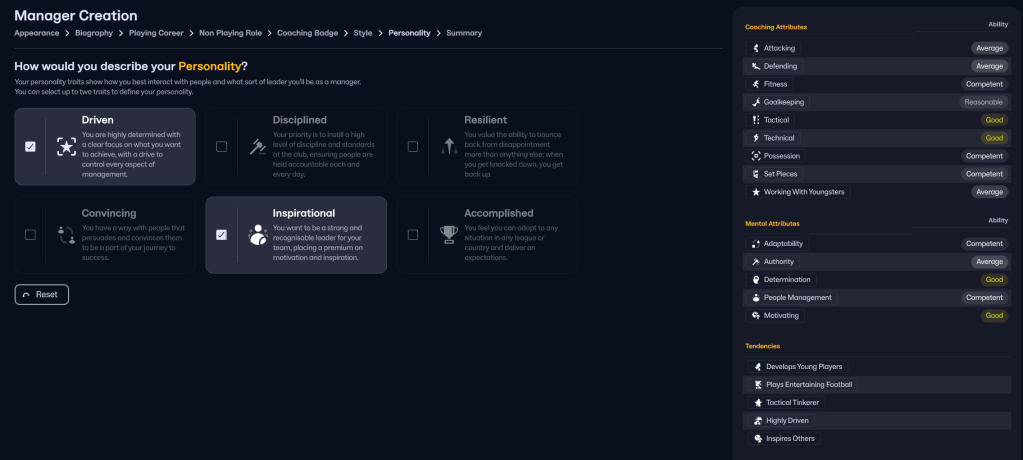
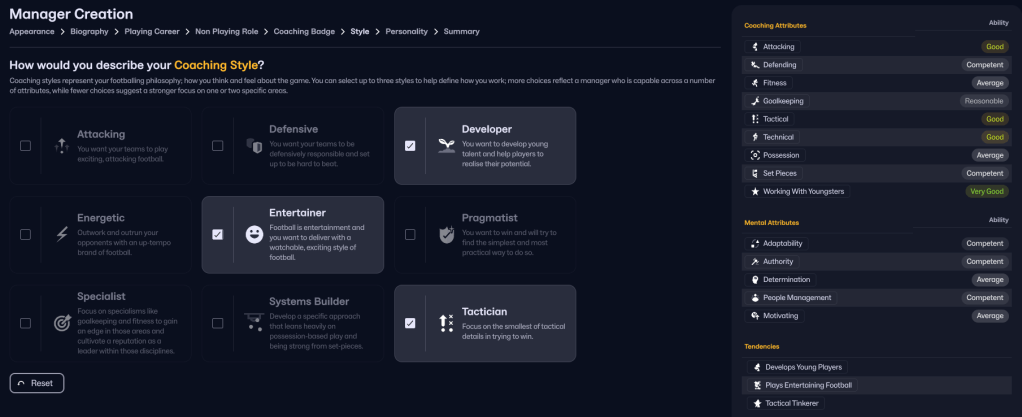
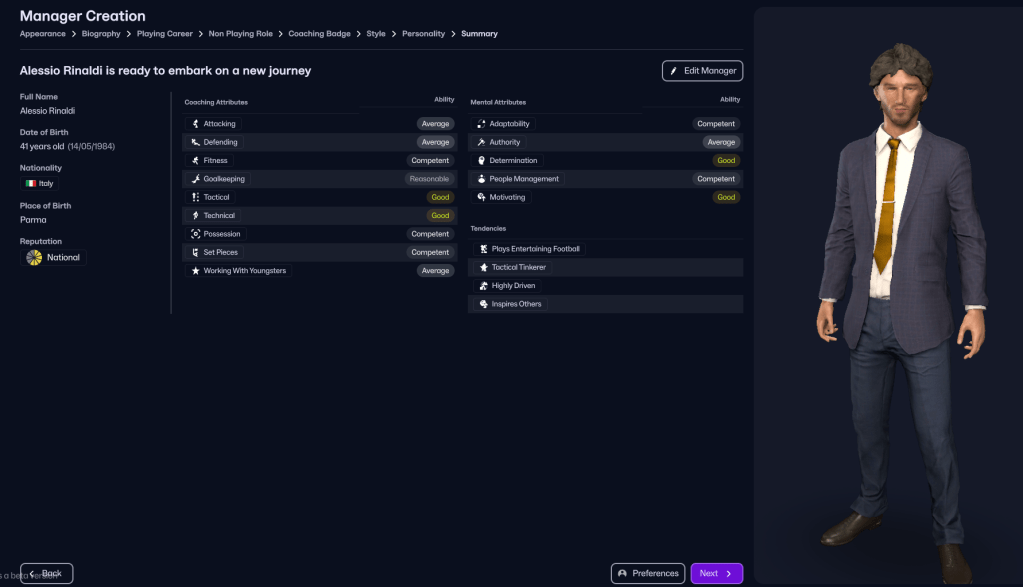
In short, he said in his first press conference, his key objective was: “Voglio che la gente si innamori di nuovo di Parma.” “I want people to fall in love with Parma again.” That instantly led the unforgiving media to claim the new man was far too sentimental and emotionally invested for the role, in addition to his total lack of managerial experience.
With his new contract gripped firmly in his hand, Rinaldi called his father, who cried like a baby as Alessio revealed his son was the new Manager of Parma. He took advantage of what was likely to be the last couple of hours of anonymity to walk through the old city streets, before reconvening with Galli to meet Mr Krause at the famous Stadio Ennio Tardini. For the first time ever, Rinaldi entered the stadium not to Curva Nord but through the staff entrance, where Krause and Galli welcomed him to his new home.
Krause walked Rinaldi through the corridors of the Tardini and introduced him to the backroom staff, before they retired to Krause’s office. Director of football Alessandro Pettiná, head performance analyst Mathieu Lacome, directors Oliver Krause, Stefano Perrone, Alessio Paini and Alessio Cracolici, and supporter spokesperson Andrea Donghi joined them to walk through the club culture and objectives for the next five years. In short, they want Parma to be established in Serie A and push for the top half by 2030.
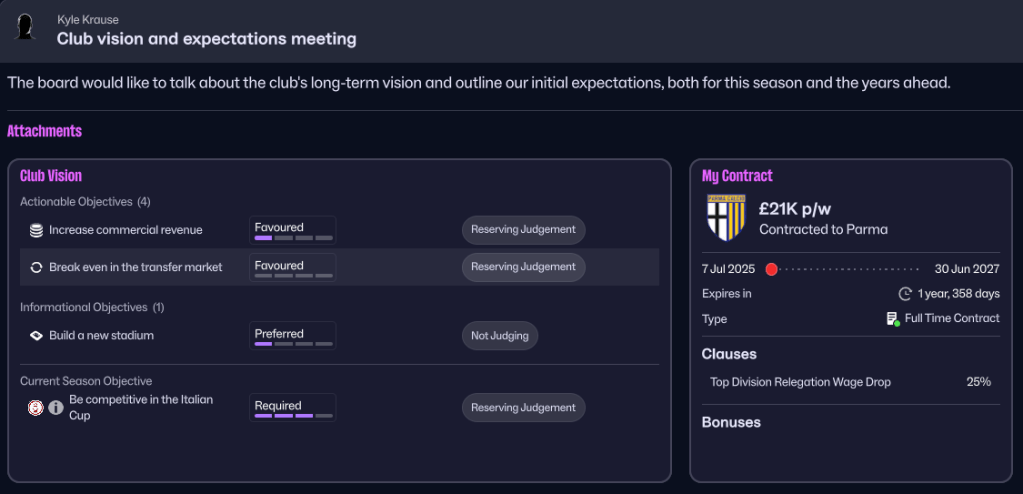

Rinaldi only has a bank balance of £21m and a transfer budget of £9.6m, while the club is spending 100% of its wage budget. His first task will be to, first of all, bring some stability to a club that’s gone through a ludicrous 26 managers since 2001. Initially, his aim will be to avoid relegation, then look to build an exciting young team that can go on to challenge Italy’s elite and win Parma’s elusive first Scudetto.
Meet the Parma Calcio Squad in FM26
The best player at Parma is 22-year-old Japanese goalkeeper Zion Suzuki, along with striker Patrick Cutroni, 21-year-old centre back Alessando Circati, right back Enrico Delprato, left back Emanuele Valeri, midfielder Adrián Bernabé, centre back Mariano Troilo, midfielder Christian Ordóñez and striker Matija Frigan, who’s out for the entire season with a torn ACL. While youngsters to keep an eye on include 18-year-old midfielder Doro Diop, 17-year-old centre back Karlo Pajsar, 12-year-old full back Mathias Fjørtoft Løvik and winger Benja Cremaschi, who’s on loan from Inter Miami. However, Rinaldi had noticed a couple of issues with newly signed non-EU players not being eligible for registration, which sounded like a disaster in the making.
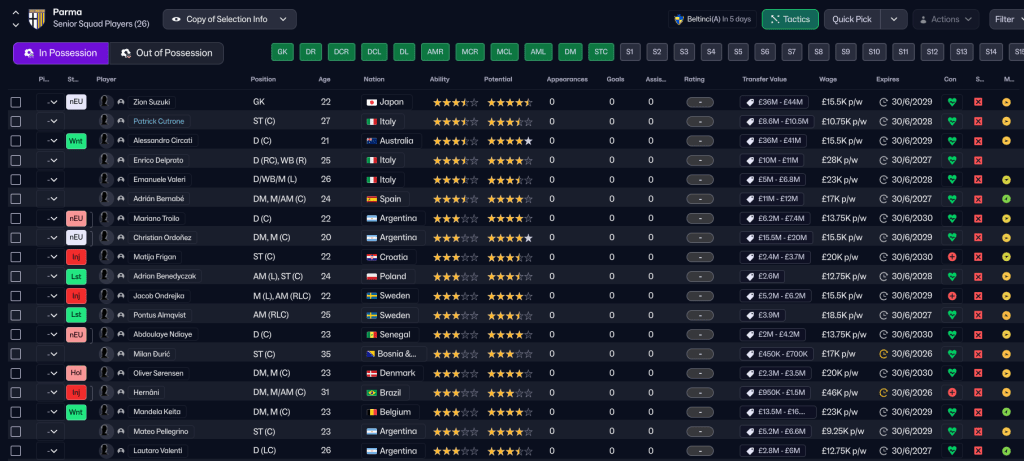
Rinaldi needed a little time to get his feet under his desk, assess the players, work out an approach and tactic and begin assessing potential additions – and, more to the point, get ourselves acclimatised to FM26!!
So we’ll be back with Part 2 of Tardini Tales as we delve into Alessio Rinaldi’s first few games as a Football Manager over the weekend!


 Football Manager Addict
Leave a comment